Allows to access historic data
Allows to access historic data in centralized data center
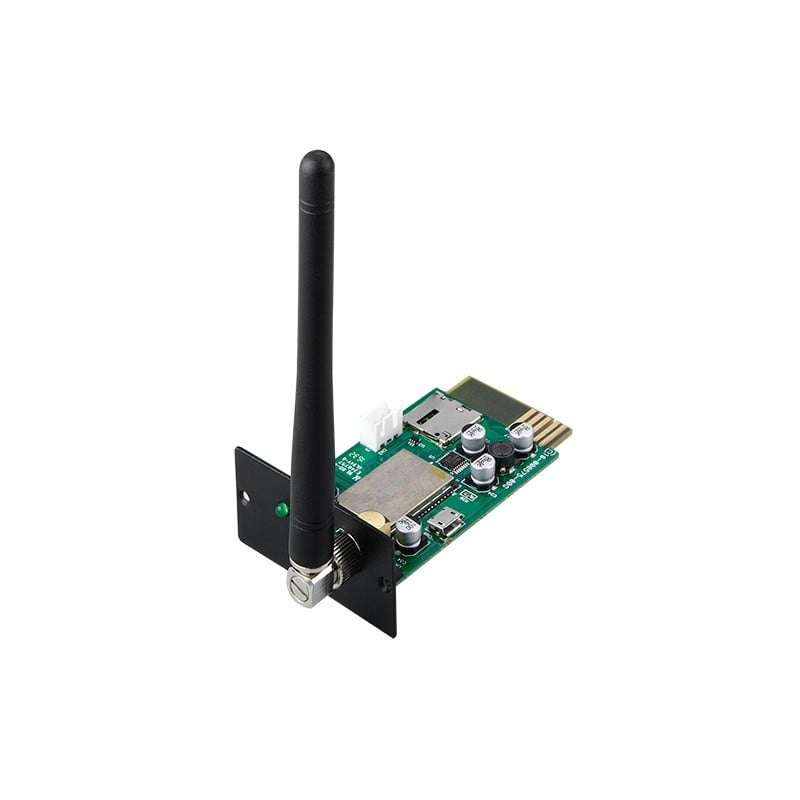
Discover Voltronic Power's Wi-Fi Module with 802.
In stock
Enhance your solar system's connectivity with Voltronic Power's Wi-Fi Module. Featuring the 802.11 b/g/n protocol and operating at a 2.4G frequency, this module ensures reliable and secure wireless communication for your solar accessories. Ideal for integrating solar systems with smart home networks, enabling remote monitoring and management of solar power generation and consumption.
Specifications last updated 27 March 2026
| Wifi Communication Protocol | 802.11 b/g/n |
|---|---|
| Hardware Encryption | WEP, WPA/WPA2 |
| Wifi Operation Frequency | 2.4G |
| Wifi Wireless Gain | 2.5dBi |
| Wifi Communication Distance | 100 meters (open space) |
| Maximum Transmit Rate of Wifi | 72Mbps |
| Maximum Transmit Power of Wifi | 18.5dbm (70mW) |
| Software WatchDog | Yes |
| Local Communication Interface | RS232 |
| Network Layer Communication Protocol | Modbus TCP |
| Working Mode | AP/STA |
| Parameter Setting Way | Mobile APP |
| External Power Input | 5V-12V |
| Power Consumption | 2 watt (max.) |
| Dimension, D x W x H (mm) | 28 x 46 x 172 |
|---|---|
| Net Weight (g) | 120 |
| Operating Temperature | -20°C to 75°C |
|---|---|
| Operating Humidity | 0% – 95% |
| Storage Temperature | -30°C to 80°C |
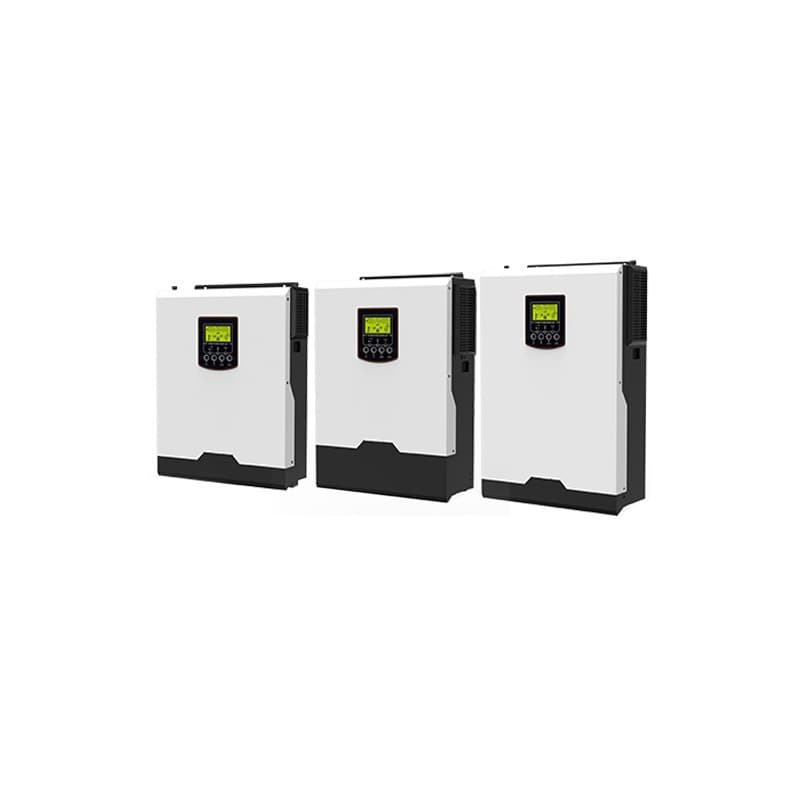
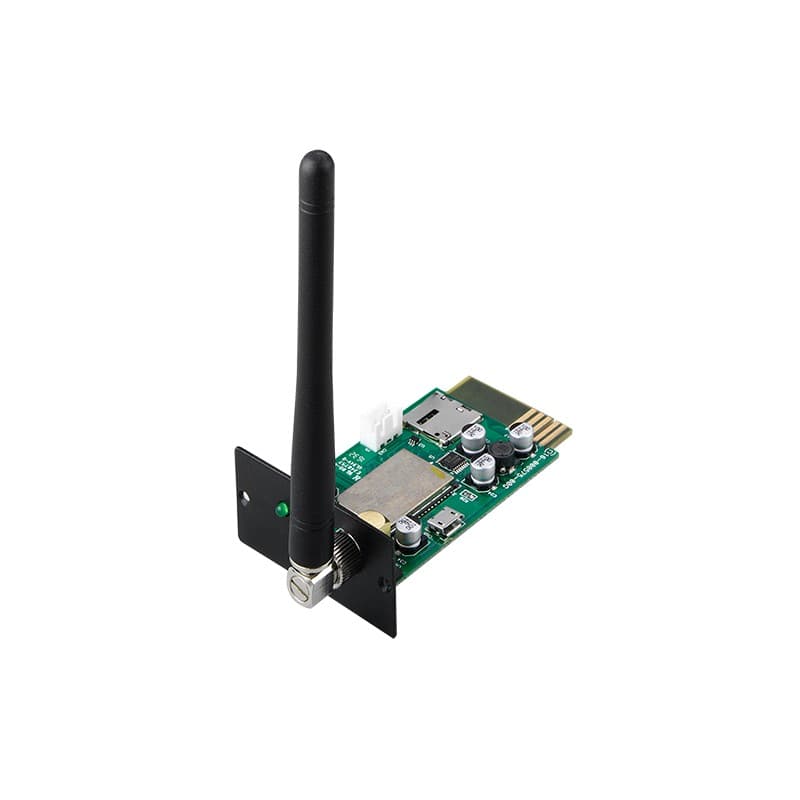
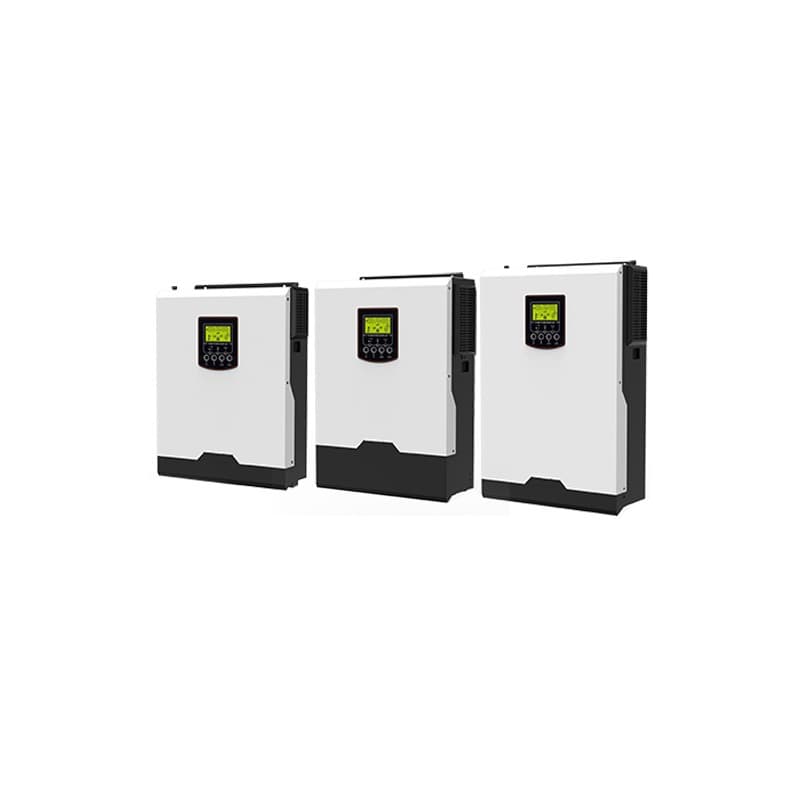
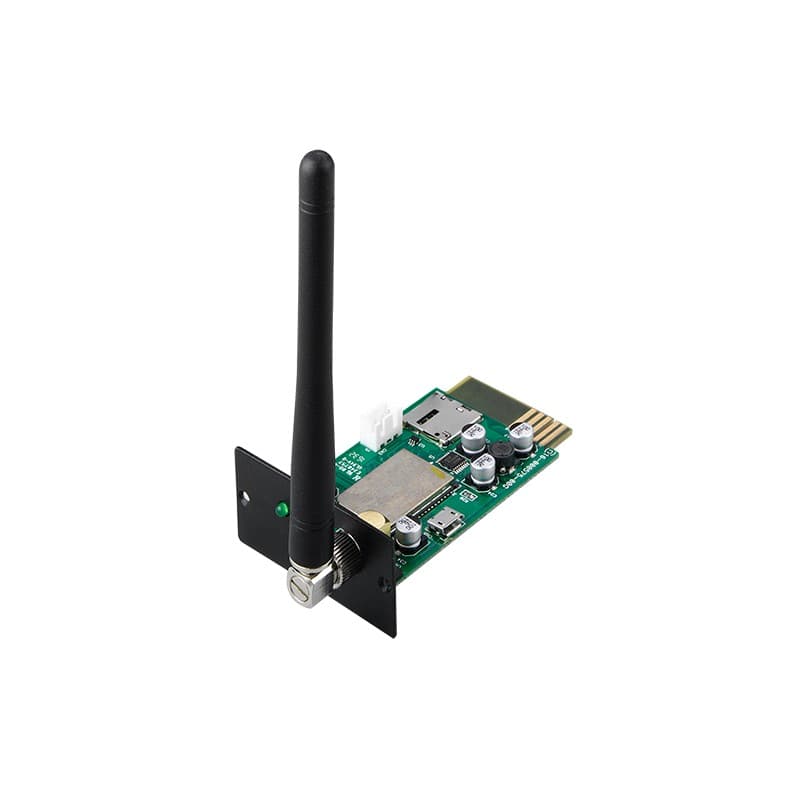
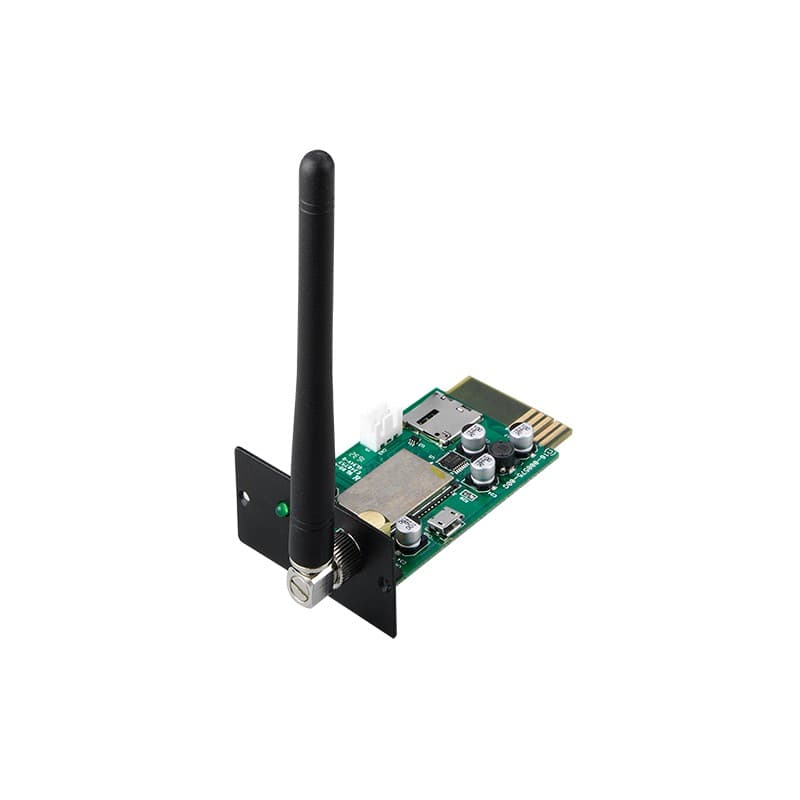
The Voltronic Power Wi-Fi Module supports the 802.11 b/g/n communication protocol with a maximum transmit rate of 72Mbps and a maximum transmit power of 18.5dbm (70mW). It operates at a frequency of 2.4G and has a wireless gain of 2.5dBi.
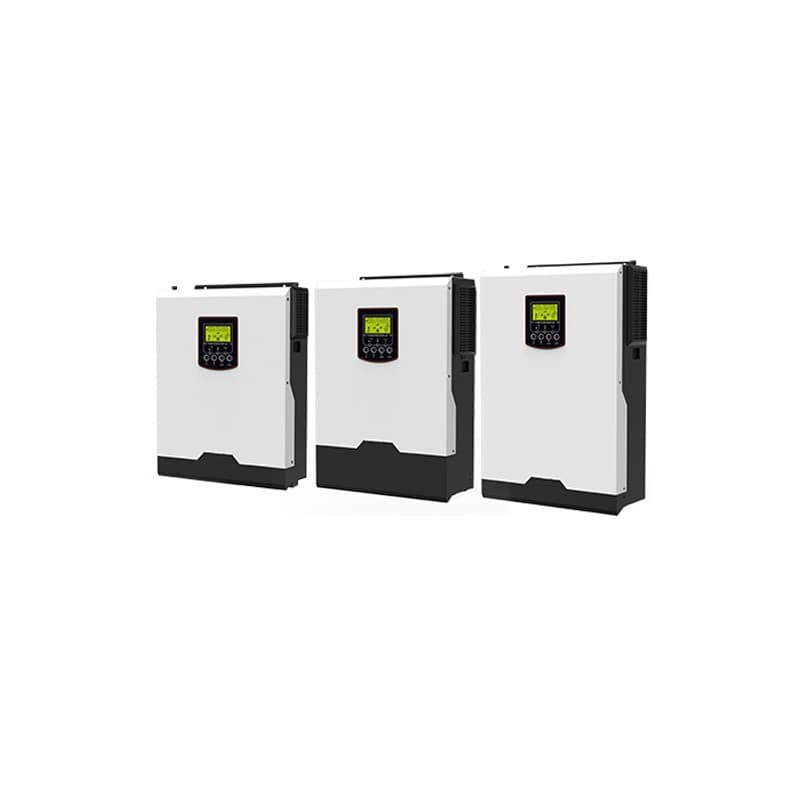
The Wi-Fi Module is designed to work with various solar accessories and systems, but specific compatibility with battery types and solar panels depends on the overall system configuration. It uses Modbus TCP for network layer communication, which is widely compatible.
The Wi-Fi Module is compact and lightweight, designed for easy integration into solar systems. However, specific dimensions and weight are not provided in the key specifications.
The module requires an external power input ranging from 5V to 12V and can be configured using a mobile app. It supports both AP and STA working modes for flexible installation.
Warranty details for the Voltronic Power Wi-Fi Module are typically provided by the retailer or distributor. It is recommended to check with the point of purchase for specific warranty terms.
The Wi-Fi Module is CE certified, ensuring it meets European safety, health, and environmental protection standards.
The module operates efficiently in temperatures ranging from -20°C to 75°C. It is designed to withstand various environmental conditions, but specific humidity tolerance is not listed.
Key features include hardware encryption (WEP, WPA/WPA2), a software watchdog for reliability, and a communication distance of up to 100 meters in open space. These features enhance security and connectivity for solar systems.