The complete guide to home EV charging. Charging levels, costs, equipment options, solar integration, and tips for UAE homeowners and renters.
Why Home Charging Is the Best Option
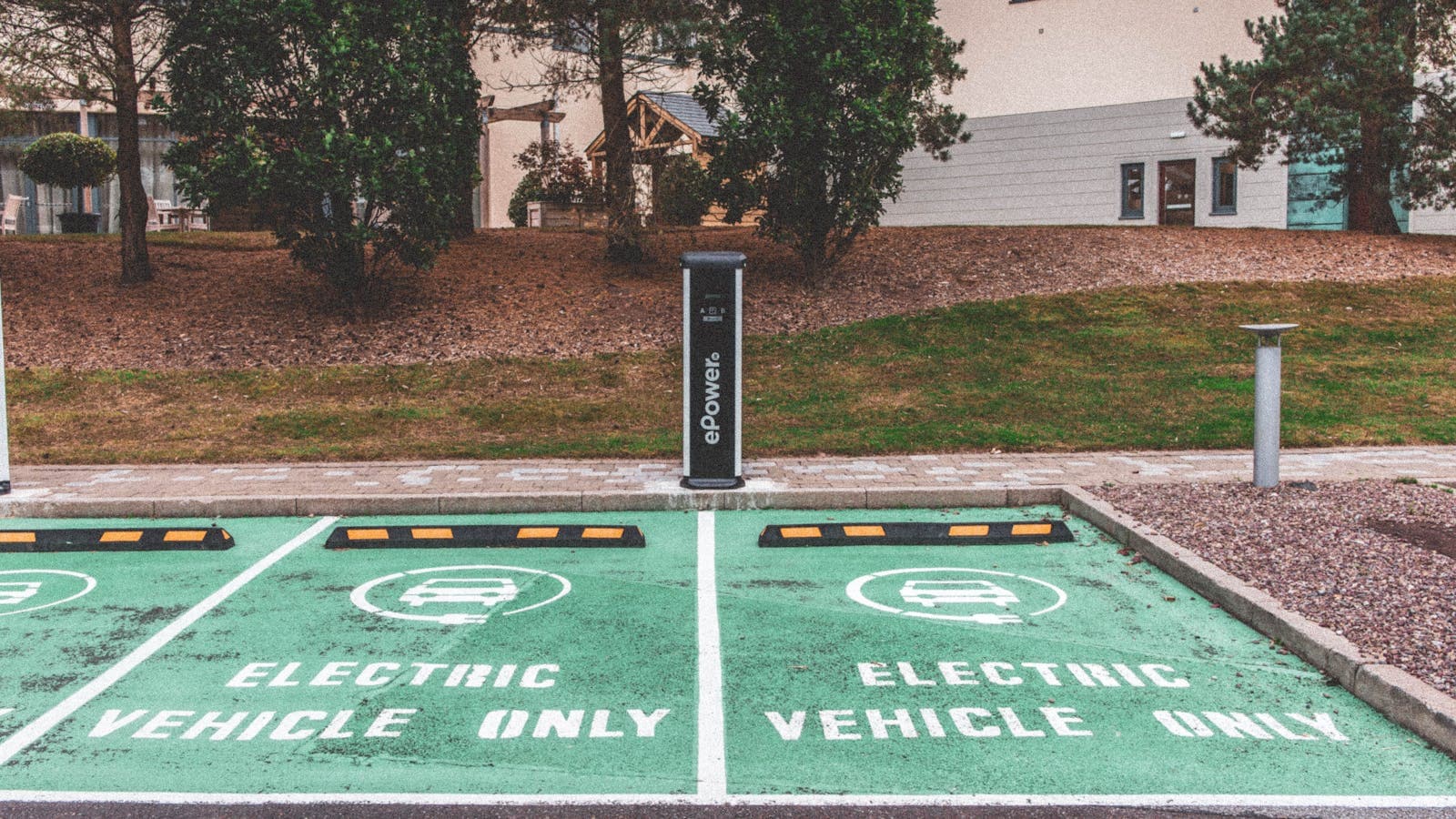
Home charging is how the majority of EV owners charge their vehicles. It is the most convenient, affordable, and gentle method for your battery. You plug in when you arrive home, and wake up to a fully charged vehicle every morning. No trips to gas stations, no waiting at public chargers, and significantly lower costs compared to public charging networks.
In the UAE, where electricity rates are among the lowest in the region, home EV charging costs roughly AED 0.38 per kWh — translating to approximately AED 15-25 for a full charge (300-500 km of range). Compare this to AED 60-100 for the same distance in a petrol vehicle.
Charging Levels Explained
| Level | Power | Range Added/Hour | Full Charge (60 kWh) | Equipment Needed |
|---|---|---|---|---|
| Level 1 | 1.4-2.3 kW | 5-10 km | 30-45 hours | Standard outlet + portable EVSE |
| Level 2 (Single-phase) | 7 kW | 35-45 km | 8-9 hours | Dedicated wallbox + 32A circuit |
| Level 2 (Three-phase) | 11-22 kW | 55-120 km | 3-6 hours | Dedicated wallbox + 3-phase supply |
Choosing the Right Home Charger
For Villa Owners
Villa owners have the most flexibility. You can install a wallbox on an exterior wall near your parking area with a direct cable run from your distribution board.
- Recommended: 7 kW single-phase wallbox (sufficient for daily driving under 100 km)
- Premium option: 22 kW three-phase wallbox (for larger batteries or multiple vehicles)
For Apartment Dwellers
Apartment installations are more complex but entirely possible:
- Requires building management approval
- Cable must be routed from your unit's distribution board to the parking spot
- Many newer Dubai developments include pre-wired EV charging infrastructure
- Consider a portable Level 2 charger (16A, 3.7 kW) as a flexible alternative
Smart Charging Features Worth Having
- Scheduled charging: Automatically starts charging during off-peak hours for lowest electricity rates
- Energy monitoring: Track exactly how much energy goes into your vehicle daily and monthly
- Load management: Prevents overloading your home's electrical supply by dynamically adjusting charging speed
- Solar surplus charging: If you have rooftop solar panels, charges only when excess solar energy is available
- Remote start/stop: Control charging from your smartphone
Solar-Integrated EV Charging
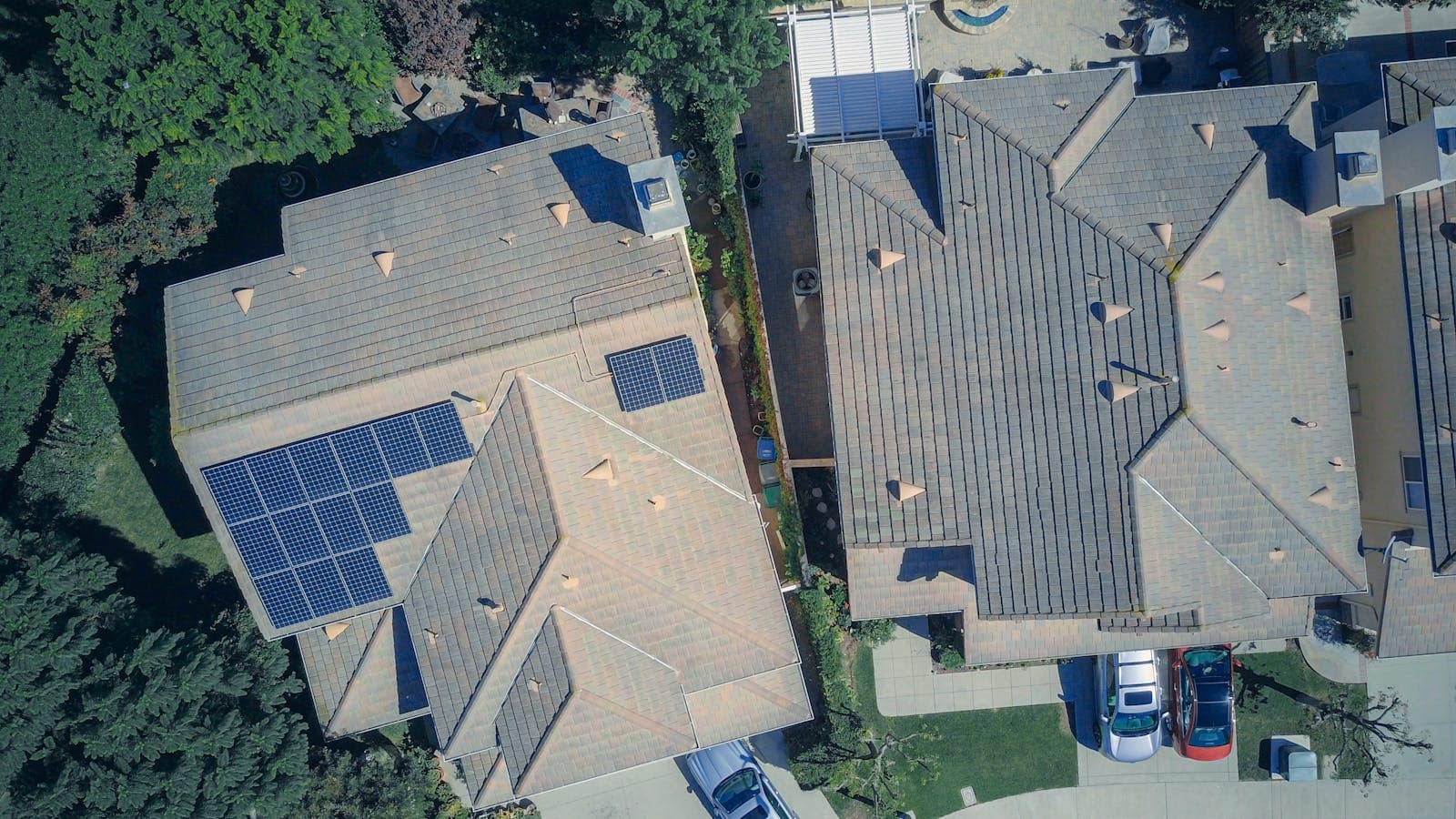
Combining rooftop solar with EV charging is the ultimate cost-saving setup. A 5-8 kW solar system on a UAE villa rooftop can generate enough energy to charge an EV for 50-80 km of daily driving — essentially free fuel. Voltronic Power's InfiniSolar hybrid inverters support smart load prioritization, sending excess solar energy to your EV charger before exporting to the grid.
Electricity Cost Comparison
| Fuel Type | Cost per 100 km | Annual Cost (15,000 km) |
|---|---|---|
| Petrol (8L/100km at AED 2.80/L) | AED 22.40 | AED 3,360 |
| Home charging (16 kWh/100km at AED 0.38/kWh) | AED 6.08 | AED 912 |
| Solar + home charging | ~AED 0-2 | ~AED 0-300 |
Home EV charging saves approximately AED 2,400 per year compared to petrol, and solar integration can push savings to AED 3,000+.
Safety Considerations
- Always use a dedicated circuit with proper MCB and RCD protection
- Never use extension cords or multi-socket adapters for EV charging
- Ensure the charger is rated for UAE ambient temperatures (up to 50 degrees C)
- Have the installation inspected by your utility authority (DEWA, ADDC, etc.)
Frequently Asked Questions
Answers to common questions about home EV charging.
Frequently Asked Questions
Is it safe to charge an EV at home overnight?
How much will my electricity bill increase?
Can I charge my EV from solar panels?
Ready for a personalized quote?
WhatsApp us — average reply time under 15 minutes.