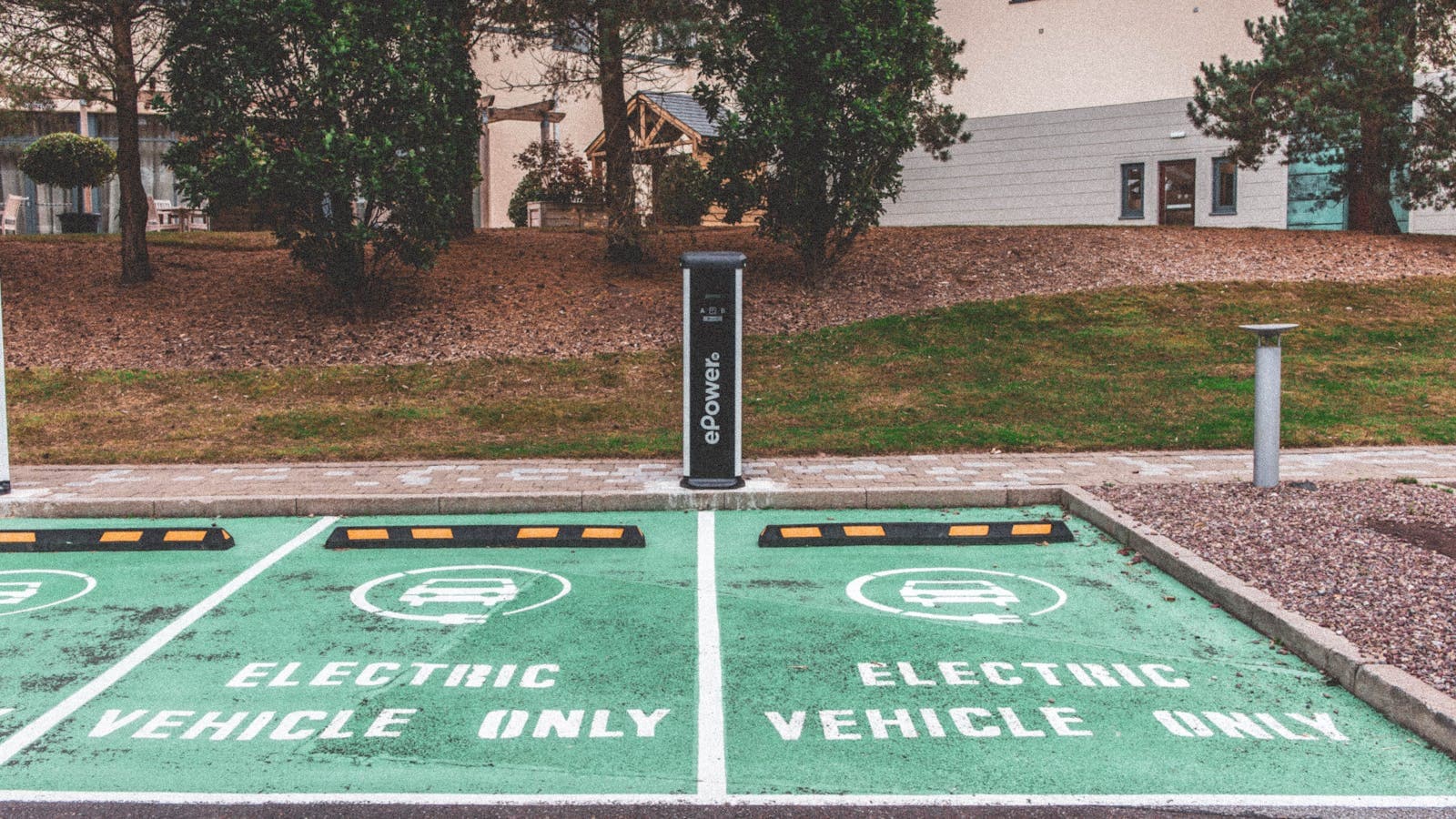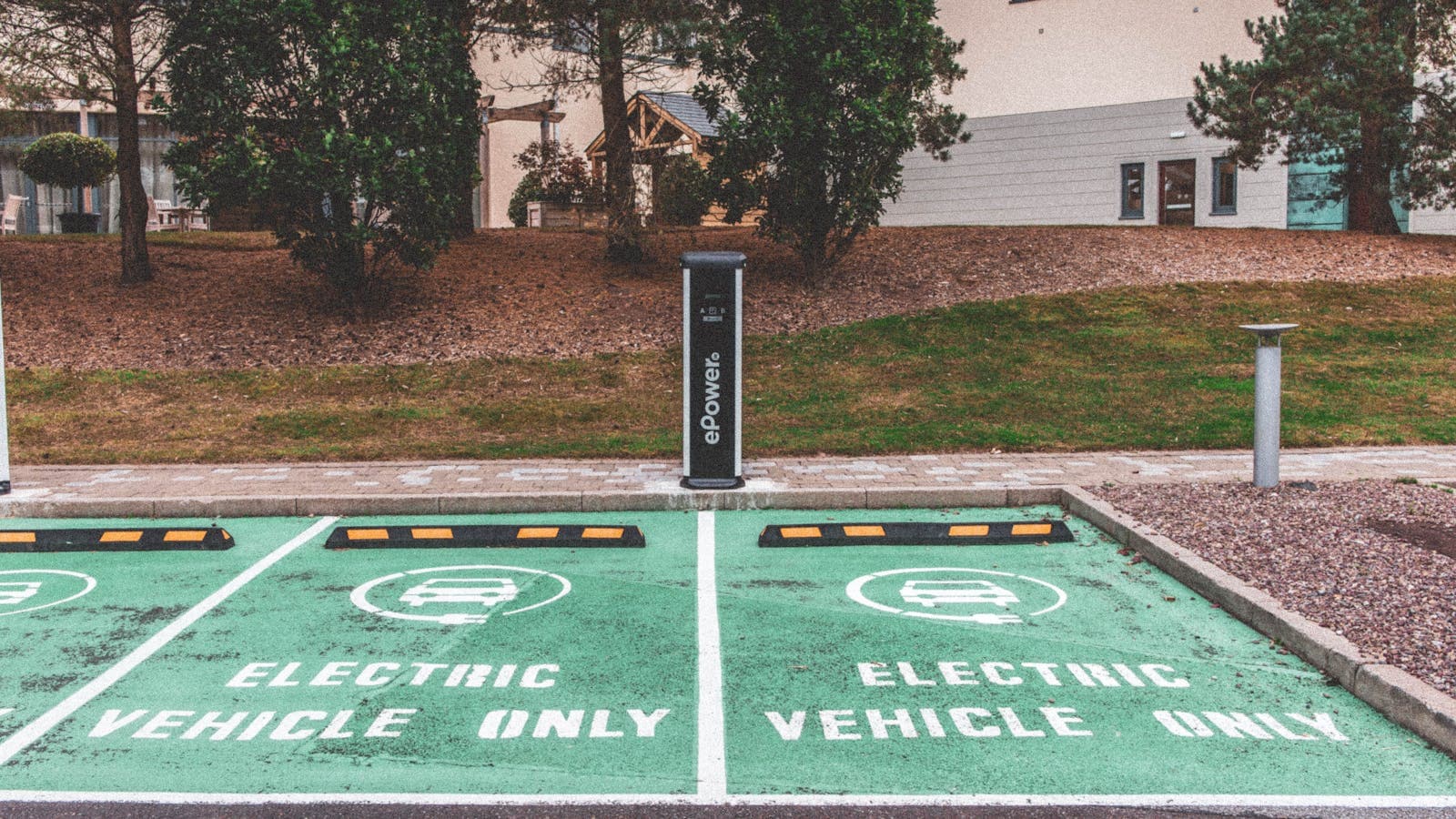
Top-rated home EV chargers for UAE residents. Compare 7 kW and 22 kW wallbox options, DEWA requirements, installation costs, and smart features.
Home EV Charging in the UAE: What You Need to Know
With the UAE government's ambitious electrification targets and zero-import-duty policies on electric vehicles, EV ownership is surging across Dubai, Abu Dhabi, and the wider Emirates. Home charging is the most convenient and cost-effective way to keep your EV charged — over 80% of EV charging happens at home globally.
Understanding Home Charging Levels
Level 1: Standard Outlet (1.4-1.9 kW)
Using the portable charger plugged into a standard 13A socket. Adds only 5-8 km of range per hour. Impractical as a primary method — 40-60 hours to fully charge a 60 kWh battery.
Level 2: Dedicated Wallbox (7-22 kW)
A professionally installed charging station with its own dedicated circuit. The gold standard for home charging:
- 7 kW (single-phase, 32A): Adds 35-45 km per hour. Full charge overnight in 6-9 hours.
- 11 kW (three-phase, 16A): Adds 55-65 km per hour. Full charge in 4-6 hours.
- 22 kW (three-phase, 32A): Adds 100-120 km per hour. Full charge in 2-3 hours.
Key Features to Look For
- Type 2 connector: The standard in the UAE and internationally.
- WiFi/App connectivity: Schedule charging during off-peak hours, monitor energy usage.
- Load balancing: Automatically adjusts charging power based on household consumption.
- RFID authentication: Useful in villa compounds or shared parking.
- IP65 rating or higher: Essential for outdoor installation in UAE conditions.
- Temperature rating: Must operate reliably up to 50 degrees C during UAE summers.
Top Home EV Charger Recommendations
| Feature | Voltronic 7 kW Wallbox | Voltronic 11 kW Wallbox | Voltronic 22 kW Wallbox |
|---|---|---|---|
| Power Output | 7 kW | 11 kW | 22 kW |
| Phase | Single-phase | Three-phase | Three-phase |
| Full Charge Time (60 kWh) | ~8.5 hours | ~5.5 hours | ~2.7 hours |
| WiFi/App | Yes | Yes | Yes |
| RFID | Optional | Yes | Yes |
| Load Balancing | Yes | Yes | Yes |
| IP Rating | IP65 | IP65 | IP65 |
DEWA and Local Regulations
Installing a home EV charger in Dubai requires:
- DEWA Green Charger initiative: Register through the DEWA app or website
- Dedicated circuit: A separate MCB and RCD must be installed
- Licensed electrician: Installation by a DEWA-approved contractor
- Building approval: In apartments and compounds, management approval may be required
- Meter upgrade: DEWA may need to upgrade your connection capacity
Installation Cost Breakdown
| Component | Estimated Cost (AED) |
|---|---|
| 7 kW Wallbox charger | 2,000-4,000 |
| 22 kW Wallbox charger | 5,000-8,000 |
| Electrical installation | 1,500-4,000 |
| DEWA approval and inspection | 500-1,000 |
| Civil works | 500-2,000 |
| Total (7 kW typical) | 4,500-8,000 |
| Total (22 kW typical) | 7,500-15,000 |
Money-Saving Tips
- Charge during off-peak hours: DEWA offers lower tariffs during non-peak periods.
- 7 kW is enough for most drivers: If you drive less than 80 km daily, overnight charging at 7 kW easily replenishes your battery.
- Solar integration: If you have rooftop solar panels, charge your EV during peak solar production for virtually free fuel.
Frequently Asked Questions
Answers to common questions about home EV charging in the UAE.
Frequently Asked Questions
Can I install a home EV charger in my apartment in Dubai?
Is 7 kW or 22 kW better for home use?
How much does it cost to charge an EV at home in the UAE?
Ready for a personalized quote?
WhatsApp us — average reply time under 15 minutes.