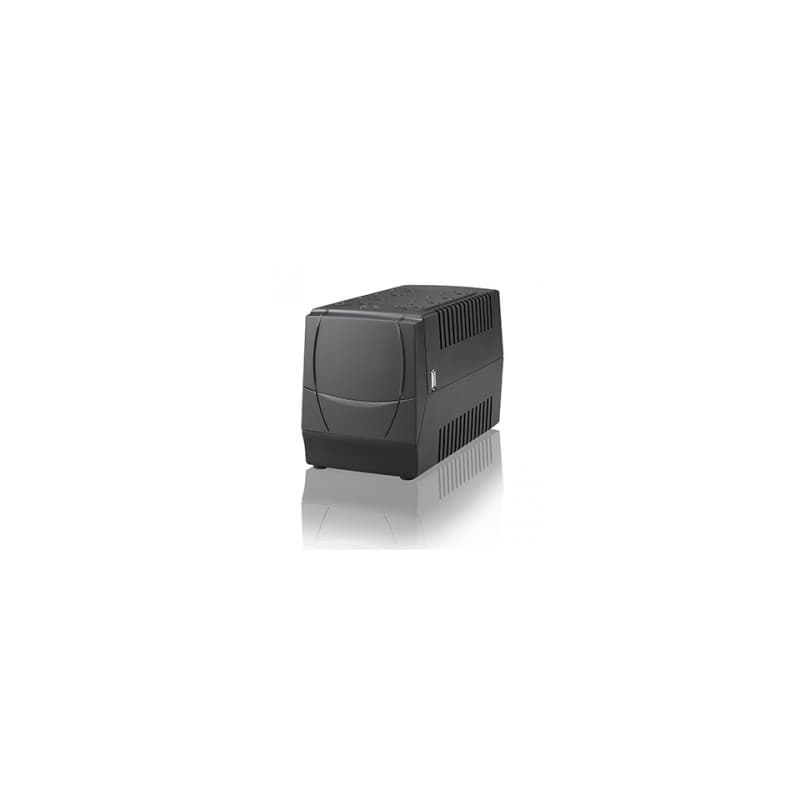
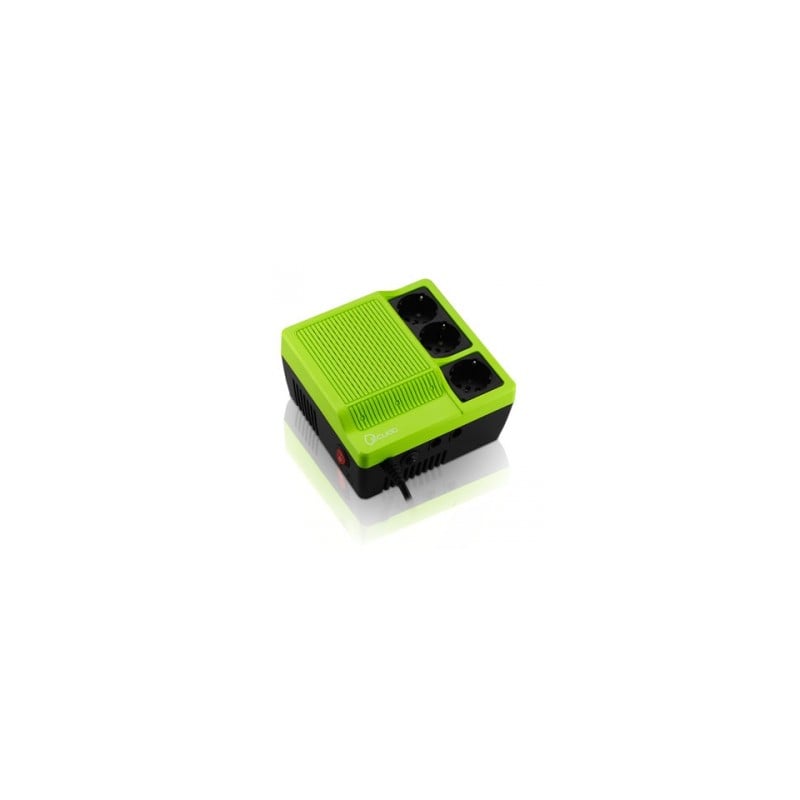
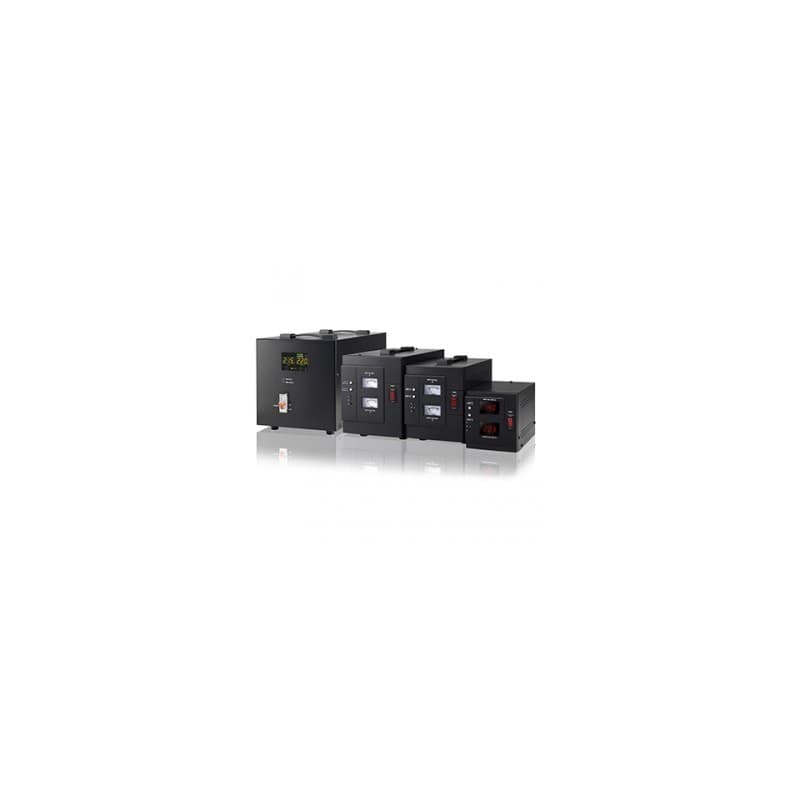
Voltronic Scudo AVR
Discover Voltronic Power's Scudo AVR with 220/230/240 VAC, 180-264 VAC range, and ±8% voltage regulation for optimal performance.
- Voltage: 220/230/240 VAC
- Voltage Range: 180-264 VAC
- Regulation: ± 8%
AED 350incl. VAT
In stock
About the Voltronic Scudo AVR
Introducing the Scudo AVR by Voltronic Power, a cutting-edge automatic voltage regulator designed to ensure stable power delivery. With a voltage range of 180 to 264 VAC and precise voltage regulation of ±8%, this AVR is perfect for maintaining optimal performance in various applications. The Scudo AVR is ideal for protecting sensitive electronic equipment, industrial machinery, and home appliances from voltage fluctuations, ensuring reliable and efficient operation.
Specifications last updated 27 March 2026
Voltronic Scudo AVR full specifications
Electrical
| Voltage | 220/230/240 VAC / 220/230/240 VAC / 220/230/240 VAC |
|---|---|
| Voltage Range | 180 - 264 VAC / 180 - 264 VAC / 180 - 264 VAC |
| Frequency Range | 50 Hz |
| Voltage Regulation | ± 8 % |
Related Products
Aegis 1000
- Voltage:220/230 VAC
- Voltage Range:140 VAC - 260 VAC or 150 VAC - 270 VAC (Normal input window)
AED 650
Buy Now — Aegis 1000Aegis 10000
- Voltage:220/230 VAC
- Voltage Range:140 - 260 VAC or 140 - 270 VAC Option 1: 100 - 260 VAC or 1…
AED 650
Buy Now — Aegis 10000Aegis 1500
- Voltage:220/230 VAC
- Voltage Range:140 - 260 VAC or 140 - 270 VAC Option 1: 100 - 260 VAC or 1…
AED 650
Buy Now — Aegis 1500Aegis 2000
- Voltage:220/230 VAC
- Voltage Range:140 - 260 VAC or 140 - 270 VAC Option 1: 100 - 260 VAC or 1…
AED 650
Buy Now — Aegis 2000Aegis 3000
- Voltage:220/230 VAC
- Voltage Range:140 - 260 VAC or 140 - 270 VAC Option 1: 100 - 260 VAC or 1…
AED 650
Buy Now — Aegis 3000Related Articles
AVR Buying Guide — Protect Your Equipment from Voltage Fluctuations
Complete guide to choosing an automatic voltage regulator (AVR). Learn about VA ratings, voltage ranges, relay vs servo types, and installation.
Read: AVR Buying Guide — Protect Your Equipment from Voltage Fluctuations →AVR vs UPS — When Do You Need Each?
Understand the key differences between AVR and UPS systems. Learn when voltage regulation alone is enough and when you need full battery backup.
Read: AVR vs UPS — When Do You Need Each? →