Discover the best off-grid inverters for 2026. Compare Voltronic Axpert models, power ratings, battery compatibility, and parallel configurations.
Why Off-Grid Inverters Matter in 2026
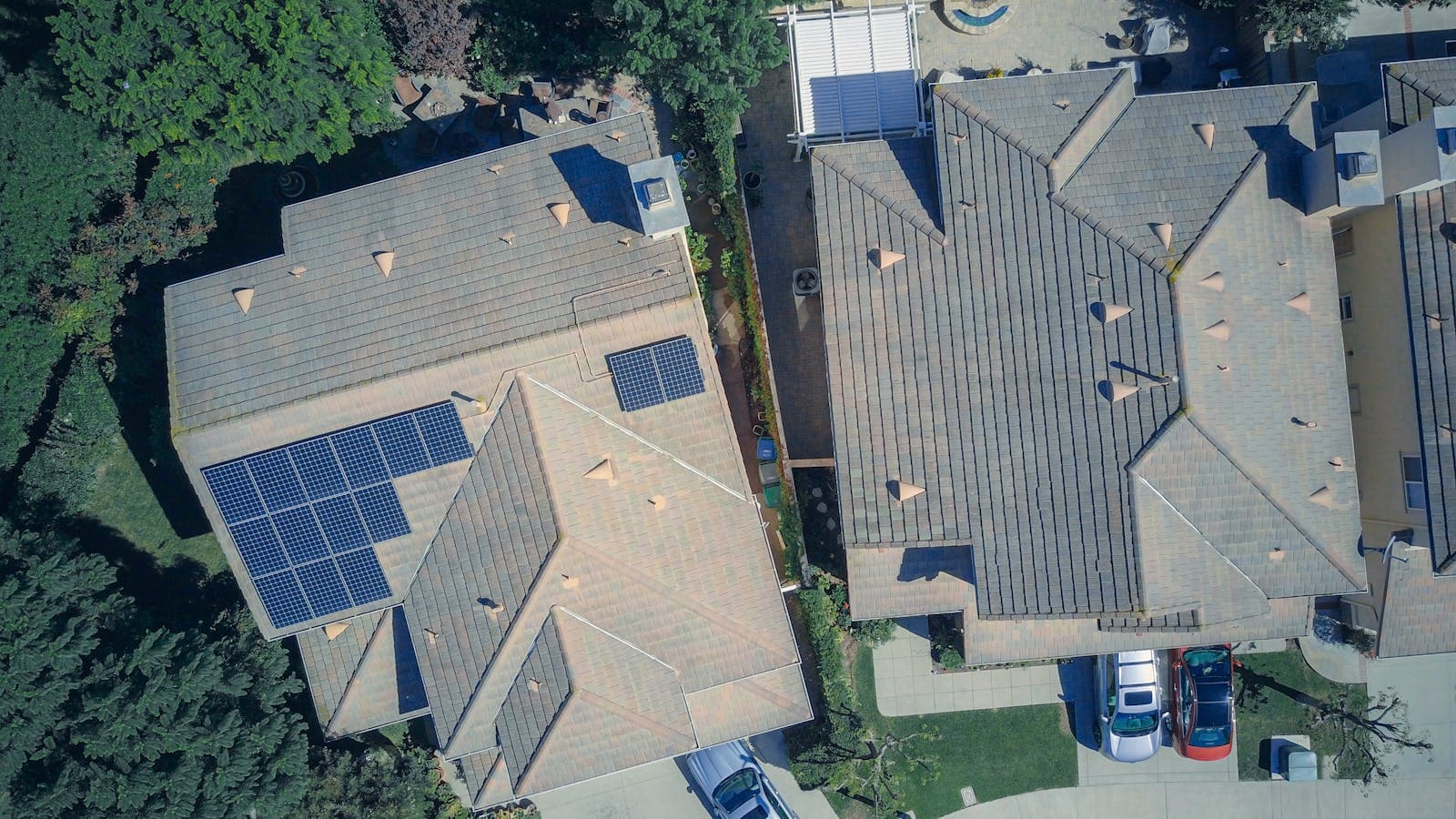
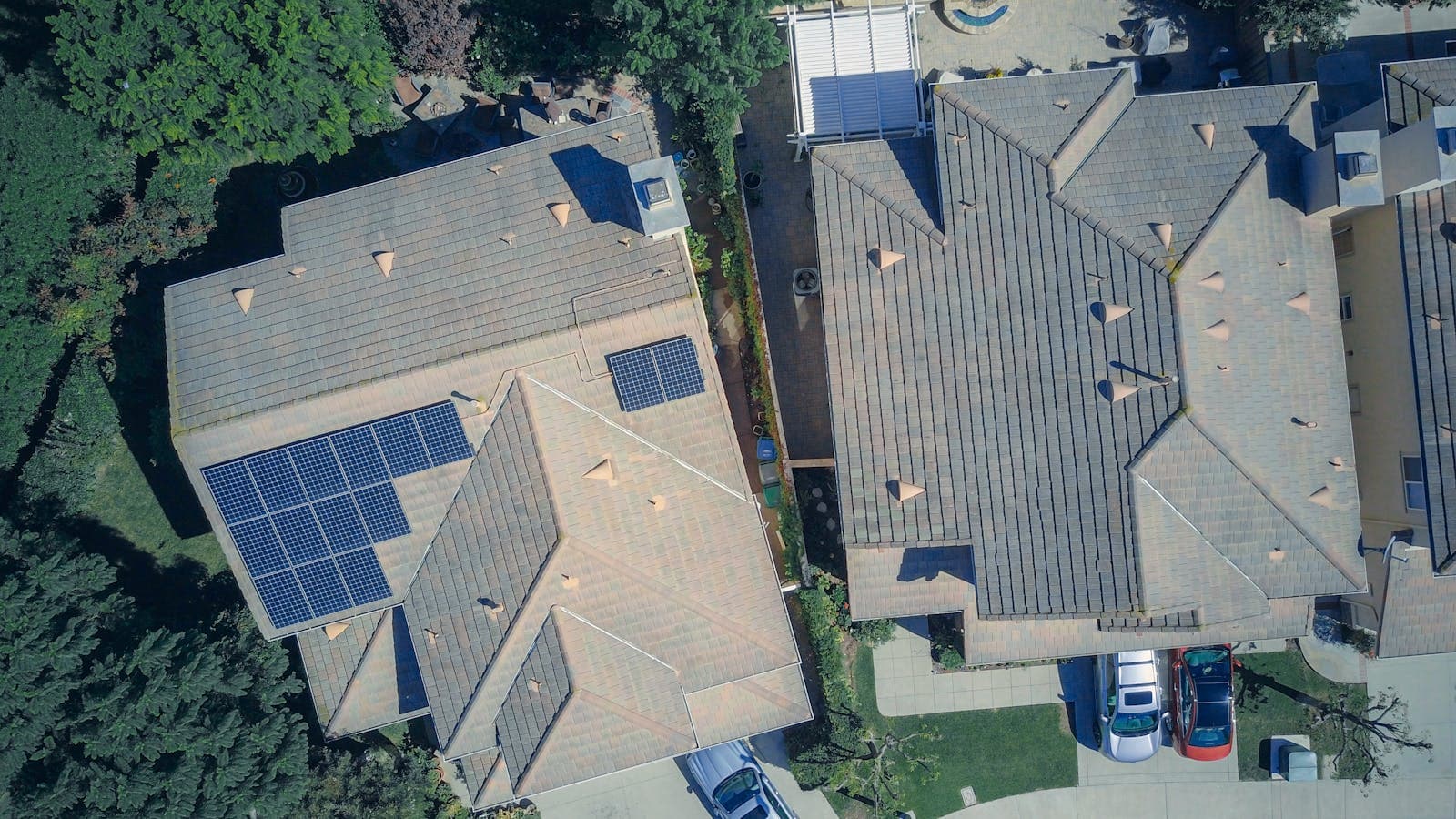
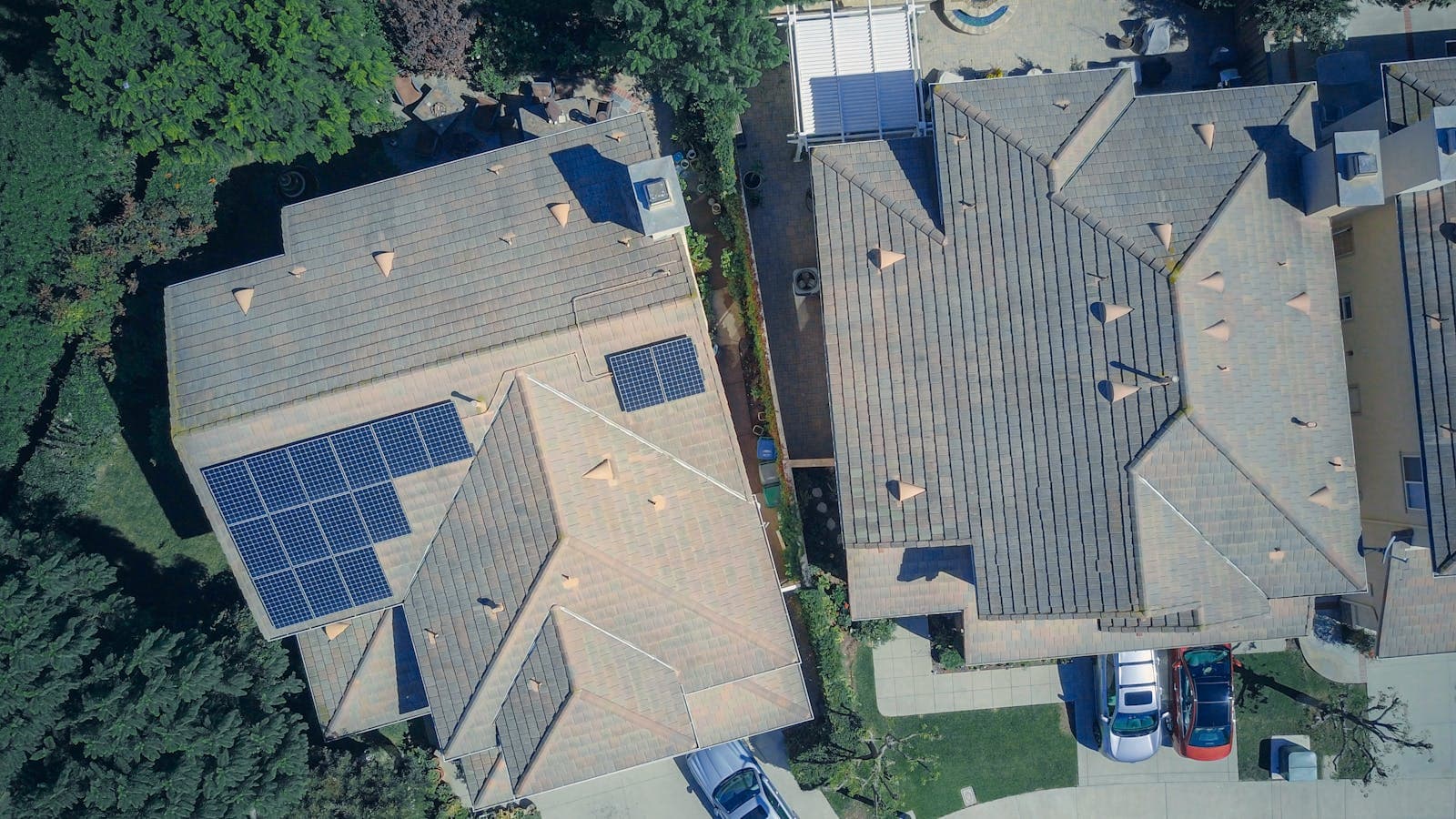
Off-grid inverters are the heart of any standalone solar power system. They convert DC power from solar panels and batteries into AC power for your home, farm, or remote facility. In 2026, off-grid solar systems are more popular than ever — driven by rising energy costs, expanding rural electrification across the Middle East and Africa, and the desire for energy independence.
Voltronic Power's Axpert series has become the global standard for off-grid inverters, powering hundreds of thousands of installations across 100+ countries. This guide helps you choose the right off-grid inverter for your needs.
Key Features to Evaluate
1. Power Rating (kW/kVA)
The inverter's continuous power rating must exceed your total connected load. Common sizes:
- 3 kW: Small home — lights, TV, fan, refrigerator, phone charging
- 5 kW: Medium home — adds washing machine, water pump, microwave
- 8 kW: Large home — multiple air conditioners, power tools
- 10-15 kW: Commercial — small shops, offices, telecom towers
2. Battery Voltage and Compatibility
Off-grid inverters work with either 24V, 48V, or high-voltage battery systems. Higher voltage systems are more efficient and use thinner cables:
| Battery Voltage | Best For | Cable Size |
|---|---|---|
| 24V | Small systems under 3 kW | Large (high current) |
| 48V | 3-15 kW systems (most common) | Medium |
| High Voltage (96-500V) | Large commercial systems | Small (low current) |
3. MPPT Solar Charge Controller
Most modern off-grid inverters include a built-in MPPT (Maximum Power Point Tracking) charge controller. Key specifications:
- Max PV input voltage: Higher is better — allows longer string lengths (e.g., 450V, 500V)
- Max PV input power: Should match or exceed your solar array size
- MPPT tracking efficiency: Look for 99%+ efficiency
4. Parallel Operation
Can you connect multiple inverters together to increase capacity? The Voltronic Axpert series supports up to 9 units in parallel, scaling from 5 kW to 45 kW with a single model.
Top Off-Grid Inverters for 2026
| Model | Power | Battery | Max PV | Parallel | Best For |
|---|---|---|---|---|---|
| Axpert MKS 3K | 3 kW | 24V | 4 kW | Up to 6 | Small homes |
| Axpert MKS 5K | 5 kW | 48V | 6 kW | Up to 6 | Medium homes |
| Axpert MAX 7.2K | 7.2 kW | 48V | 8 kW | Up to 9 | Large homes, small commercial |
| Axpert MAX 11K | 11 kW | 48V | 14.8 kW | Up to 9 | Commercial, telecom |
Installation Best Practices
- Ventilation: Off-grid inverters generate heat. Ensure adequate airflow — mount on a wall with at least 20 cm clearance on all sides.
- Battery cables: Use the manufacturer's recommended cable gauge. Undersized cables cause voltage drop, reduced efficiency, and fire hazards.
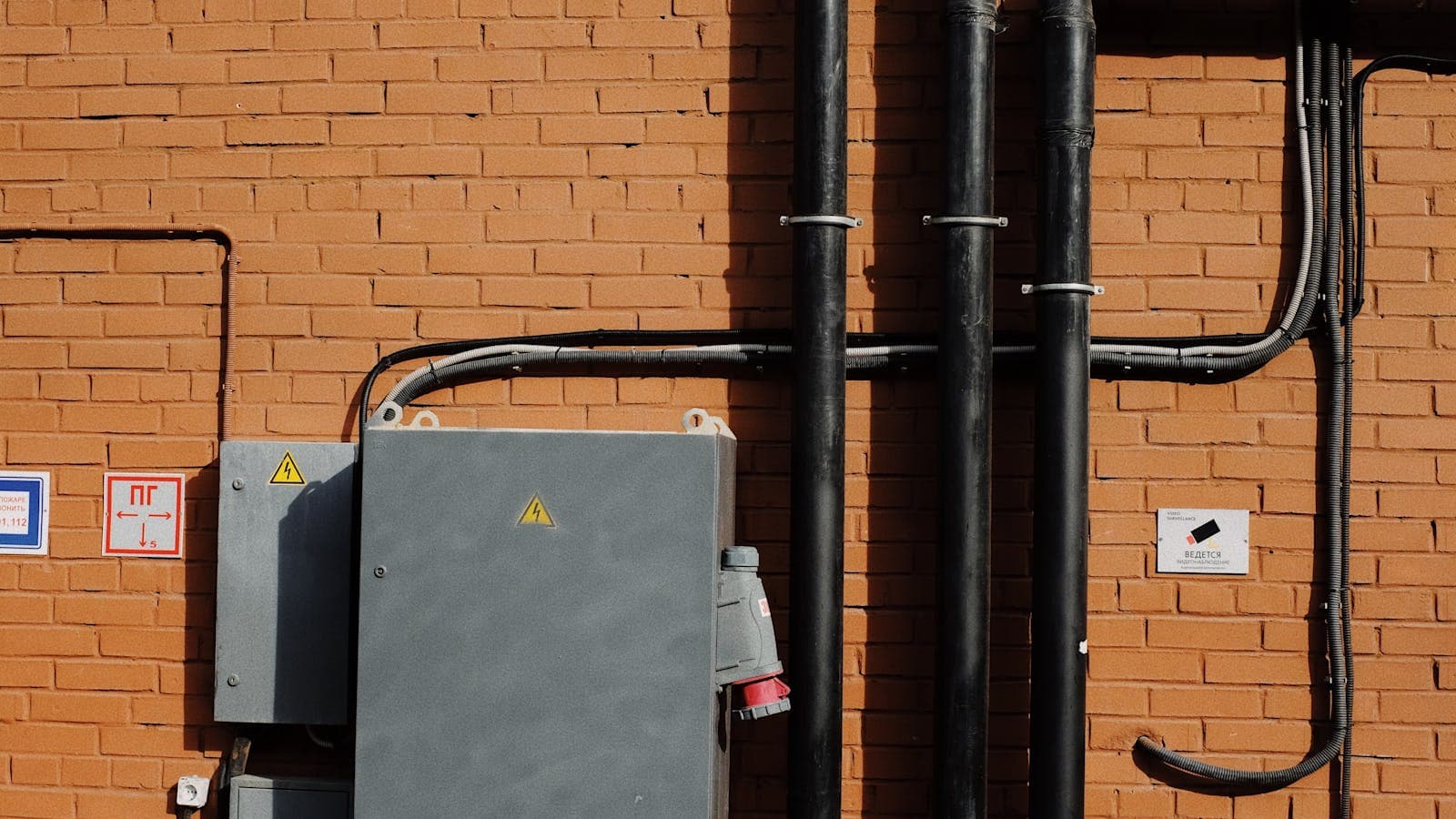
- Grounding: Proper earth grounding is essential for safety and lightning protection.
- Surge protection: Install DC and AC surge protectors, especially in lightning-prone areas.
- Battery room: Lead-acid batteries produce hydrogen gas — ensure ventilation. Lithium batteries are safer but still need temperature management.
Cost Considerations
A complete off-grid system includes the inverter, solar panels, batteries, mounting hardware, and wiring. Typical costs for a 5 kW system:
- Inverter: AED 3,000-6,000
- Solar panels (6 kW): AED 5,000-8,000
- Battery bank (10 kWh lithium): AED 8,000-15,000
- Balance of system: AED 2,000-4,000
- Total: AED 18,000-33,000
Frequently Asked Questions
Common questions about choosing an off-grid inverter.
Frequently Asked Questions
Can I run air conditioning with an off-grid inverter?
How many solar panels do I need for a 5 kW off-grid system?
What is the difference between Axpert MKS and Axpert MAX?
Ready for a personalized quote?
WhatsApp us — average reply time under 15 minutes.